
New Diploma Programme teachers often struggle with aligning their teaching to the IB philosophy, neglecting the core components, and underestimating the importance of inquiry-based learning. These errors can hinder student success and teacher confidence. By understanding these pitfalls and leveraging targeted professional development, educators can build a strong foundation for effective IB teaching.
1. Misunderstanding the IB Philosophy and Learner Profile
Many new teachers focus heavily on content delivery while overlooking the foundational IB philosophy. The IB Learner Profile is a set of ten attributes that guide student development, including being inquirers, knowledgeable, and communicators. When teachers fail to integrate these attributes into their daily practice, they miss the holistic nature of the IB. For example, a history teacher might cover the French Revolution thoroughly but fail to encourage students to think critically about multiple perspectives, which is a key aspect of being an inquirer. To avoid this, teachers should regularly reflect on how their lessons align with the Learner Profile and approaches to teaching and learning (ATL). Ibicus offers workshops that help educators deepen their understanding of these core concepts, ensuring that their teaching practices are aligned with the IB mission.
2. Neglecting the DP Core Components
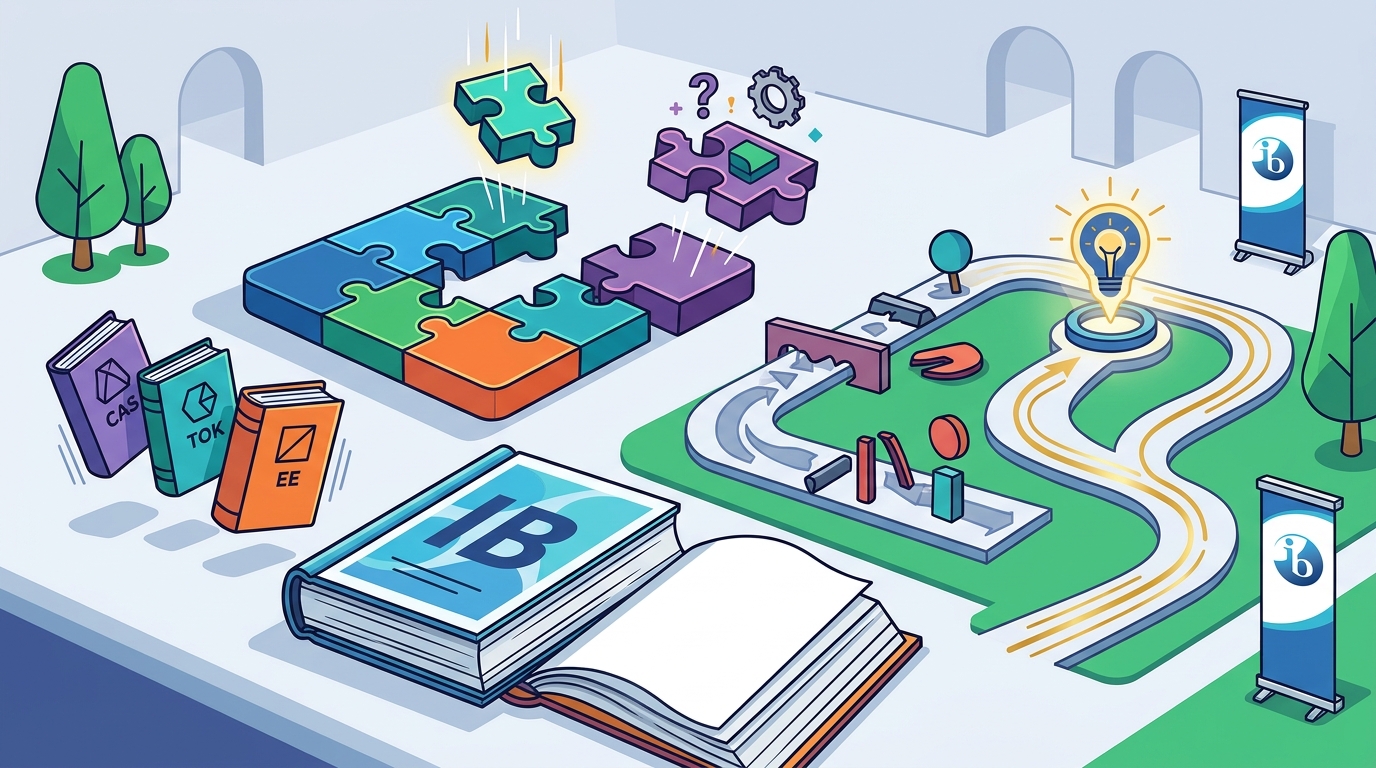
The Diploma Programme Core, consisting of Theory of Knowledge (TOK), the Extended Essay (EE), and Creativity, Activity, Service (CAS), is often treated as an afterthought by new teachers. This is a significant mistake because the Core is designed to connect subject learning with broader intellectual and personal development. For instance, a mathematics teacher might not see the connection between their subject and TOK, missing opportunities to discuss the nature of mathematical knowledge. Ignoring the Core can lead to a fragmented student experience. To avoid this, teachers should collaborate with Core coordinators and integrate subject-specific connections into their planning. Ibicus provides specialized training on how to effectively link subject teaching with the DP Core, helping teachers see the interconnectedness of the programme.
3. Failing to Implement Inquiry-Based Learning
Inquiry-based learning is a cornerstone of the IB, yet many new teachers default to traditional lecture-based methods. This approach can limit student engagement and critical thinking skills. For example, a science teacher might present all the facts about photosynthesis without guiding students through an investigation to discover the process themselves. This lack of inquiry can result in passive learning and reduced student motivation. To avoid this, teachers should design lessons that start with a driving question and allow students to explore and construct their own understanding. Ibicus workshops focus on practical strategies for implementing inquiry-based learning, providing teachers with tools and techniques to transform their classrooms.
4. Underestimating the Importance of Assessment Literacy
Assessment in the IB is not just about grading; it is a tool for learning and feedback. New teachers often struggle with the specific assessment criteria and the distinction between formative and summative assessment. For example, a language teacher might focus solely on the final exam, neglecting the ongoing formative assessments that help students improve their skills. This can lead to confusion and anxiety among students. To avoid this, teachers should familiarize themselves with the assessment criteria for their subject and use formative assessment to provide timely and constructive feedback. Ibicus offers training on assessment literacy, helping teachers understand how to use assessment to support student learning and improve their own teaching practices.
5. Isolating Themselves from the IB Community
Teaching in the IB can feel isolating, especially for new teachers. Many make the mistake of working in silos, not sharing resources or collaborating with colleagues. This limits their professional growth and the quality of their teaching. For example, a new teacher might not know that other schools have developed excellent units of inquiry that they could adapt. To avoid this, teachers should actively participate in the IB community, both locally and globally. Ibicus facilitates connections among educators through its workshops and online platforms, providing a supportive network for new teachers to share experiences and learn from others. according to 5 Common Mistakes
Key Takeaways
- Integrate the IB Learner Profile and ATL skills into daily teaching practices.
- Collaborate with Core coordinators to connect subject teaching with TOK, EE, and CAS.
- Design lessons that prioritize inquiry-based learning over traditional lectures.
- Develop strong assessment literacy by understanding IB criteria and using formative feedback.
- Engage with the IB community to share resources and support professional growth. according to 5 Common Mistakes
Frequently Asked Questions
What is the IB Learner Profile?
The IB Learner Profile is a set of ten attributes that guide student development, including being inquirers, knowledgeable, and communicators.
How can teachers integrate the DP Core into their subject teaching?
Teachers can integrate the DP Core by collaborating with Core coordinators and identifying subject-specific connections to TOK, EE, and CAS.
Why is inquiry-based learning important in the IB?
Inquiry-based learning is important because it encourages critical thinking, student engagement, and the construction of knowledge, which are core IB values.
What is assessment literacy in the IB context?
Assessment literacy in the IB context is the understanding of assessment criteria and the use of formative and summative assessment to support student learning.
How can new teachers avoid feeling isolated in the IB community?
New teachers can avoid feeling isolated by actively participating in the IB community, sharing resources, and collaborating with colleagues through platforms like Ibicus.
Conclusion
Avoiding common mistakes as a new Diploma Programme teacher requires a deep understanding of the IB philosophy, active integration of the Core, and a commitment to inquiry-based learning and assessment literacy. By leveraging professional development opportunities and engaging with the IB community, educators can build a strong foundation for effective teaching. Ibicus is dedicated to supporting teachers at every stage of their IB journey, providing the tools and knowledge needed to succeed in the Diploma Programme.