
Attending a Category 3 IB workshop online is an intensive, interactive journey focused on deepening subject-specific expertise. Ibicus delivers these sessions via Zoom, offering intensive interactive workshops over three days. The format prioritizes practical application, peer collaboration, and direct engagement with IBO-certified leaders. You will not be passively watching slides; you will be actively designing, discussing, and refining your teaching practice in real-time.
The Structure of a Virtual Category 3 Session
Category 3 workshops are designed for experienced educators who have already completed foundational training. The virtual format compresses the learning into a tight, high-energy schedule. Each day typically runs from 09:00 to 13:30 UK time, ensuring participants remain focused without the fatigue of a full-day commitment. This timing is strategic, accommodating educators across various time zones from GMT to GMT+10. The compact nature of the sessions means that breaks are short, keeping the momentum of the discussion alive.
The day begins with a pre-workshop setup meeting at 08:30 UK time on the first day. This brief session ensures all technical aspects are functioning correctly before the main instruction begins. Once the day starts, the workshop leader guides the group through a mix of theoretical exploration and practical application. You will spend significant time in breakout rooms, working with small groups of peers from different schools and countries. This collaborative environment is a core component of the Category 3 experience, allowing you to share resources and strategies that you can immediately implement in your own classroom.
Day-to-Day Activities and Interactive Learning
The daily rhythm of a Category 3 workshop is defined by active participation rather than passive listening. On Day 1, the focus is often on establishing a shared understanding of the specific subject area or pedagogical concept being explored. For example, a workshop on Biology might begin by reviewing the experimental programme requirements and the internal assessment criteria. Participants are encouraged to bring their own student work or lesson plans to discuss. This brings the theoretical framework to life and grounds the discussion in real-world classroom challenges.
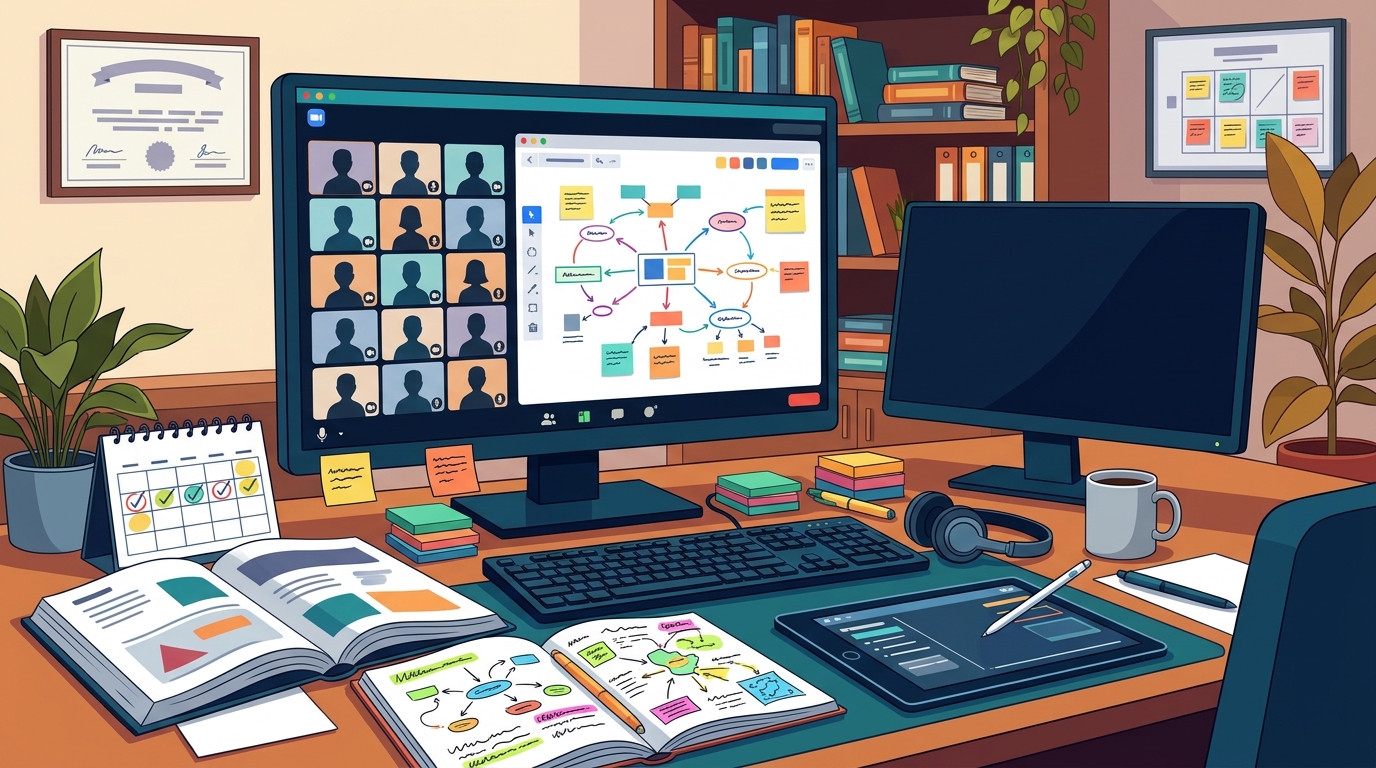
Day 2 typically shifts toward deeper analysis and design. You might be tasked with creating a new unit plan or refining an assessment task based on the feedback received from your peers and the workshop leader. The interactive nature of the Zoom platform allows for the use of shared whiteboards, polls, and live document editing. This technology facilitates a dynamic exchange of ideas, where a participant in Dubai can collaborate seamlessly with a colleague in London. The goal is to leave the session with tangible, actionable resources that enhance your teaching practice.
Support and Resources During the Workshop
While the primary focus is on the workshop leader, Ibicus provides additional layers of support to ensure a smooth experience. A dedicated IB consultant is available throughout the workshop to answer specific queries and provide expert advice. This resource is particularly valuable for educators who may have niche questions about programme standards or evaluation processes. The consultant acts as a bridge between the workshop content and the broader IB framework, helping you contextualize your learning within the wider school community.
Access to resources is another key feature of the virtual format. Participants are provided with links to relevant IB publications, Teaching Support Materials, and Programme Resource Centre documents. These resources are integrated directly into the session, allowing you to explore them in real-time. After the workshop, you will receive an IBO Certificate of Attendance, which is a requirement for IB World School authorisation and evaluation. The certificate is issued by email within seven days of completion, subject to payment of the workshop invoice. This administrative efficiency ensures that your professional development is recognized and documented without delay.
Practical Considerations for Virtual Attendance
Before attending a virtual Category 3 workshop, it is essential to prepare your technical setup. A stable internet connection is non-negotiable, as the sessions rely heavily on live interaction and video conferencing. We recommend using a wired connection if possible, or ensuring your Wi-Fi signal is strong in your chosen workspace. A quiet, private room is also advisable to minimize distractions and allow you to fully engage with the group. Having your own materials, such as subject guides and student samples, ready before the session starts will help you keep up with the pace of the workshop.
Time zone management is another practical consideration. The workshops are scheduled in UK time, so you should calculate the local time in your region to ensure you can attend all sessions. For educators in the Middle East, the timing is generally convenient, with sessions falling during standard working hours. However, for those in the Americas or Asia, the early morning start may require some adjustment. Planning your schedule around the workshop dates is crucial, as the intensive nature of the three-day format leaves little room for rescheduling. By preparing your environment and schedule in advance, you can maximize your focus and get the most out of the experience.
Key Takeaways
- Virtual Category 3 workshops are intensive, running 09:00-13:30 UK time for three days.
- The format emphasizes interactive, peer-driven learning over passive lecture delivery.
- Participants receive an IBO Certificate of Attendance within seven days of completion.
- A dedicated IB consultant is available to provide expert support during the sessions.
- Technical preparation, including a stable internet connection and quiet workspace, is essential.
- The compact schedule is designed to accommodate educators across multiple time zones.
Frequently Asked Questions
How long are the daily sessions for a virtual Category 3 workshop?
The daily sessions typically run from 09:00 to 13:30 UK time. This four-hour block includes short breaks to maintain focus and energy levels throughout the day.
Do I need to have completed Category 1 and 2 workshops first?
Category 3 workshops are designed for experienced educators. While not always strictly required to have completed Category 1 and 2, they are recommended for those who have been working with the programme for at least one school year.
How do I receive my certificate of attendance?
You will receive an IBO Certificate of Attendance by email within seven days of completing the workshop, provided that your invoice has been paid in full.
Can I attend from any time zone?
Yes, the virtual format is designed to be accessible from various time zones, ranging from GMT to GMT+10. You should check the specific UK time schedule to ensure it fits your local working hours.
What technical equipment do I need?
You will need a device with a reliable internet connection, a microphone, and a camera. A stable connection is critical for the interactive nature of the Zoom-based sessions.
Is there a dedicated support person during the workshop?
Yes, Ibicus provides a dedicated IB consultant who is available throughout the workshop to answer queries and offer expert advice on programme standards and practices.
Start Your Professional Development Journey
Ready to deepen your IB expertise? Ibicus offers a wide range of official IB workshops designed to support your professional growth. Explore our upcoming virtual and face-to-face sessions to find the right fit for your subject and experience level. Search for a workshop to view available dates and subjects. For personalized advice on which workshop best suits your needs, contact our team.